Lowering your handicap is about making your good rounds better and your bad rounds less damaging. Here are nine practical ways to do it.
- Post every score so your index reflects your real ability.
- Track your stats for fairways, greens, putts and penalty strokes to find the biggest leaks.
- Practice your short game first: most golfers lose more strokes within 100 yards than on the tee.
- Learn your yardages with each club, using a range finder or a launch monitor session.
- Practice lag putting to eliminate three-putts.
- Manage the course: play to the safe side and aim for the middle of the green.
- Use a practice routine with a purpose, not just hitting balls.
- Play from tees that suit your distance so approaches use shorter clubs.
- Fix big misses first, such as a slice or a chunked chip, with a lesson from a qualified coach.
Where strokes hide
| Area | Typical gain from improving | First step |
|---|---|---|
| Penalty strokes | High | Play safer tee shots |
| Three-putts | High | Lag putting drills |
| Short game | High | Chip to one landing spot |
| Approach shots | Medium | Know your carry distances |
| Driving distance | Lower for most players | Improve accuracy first |
Use data, not feelings
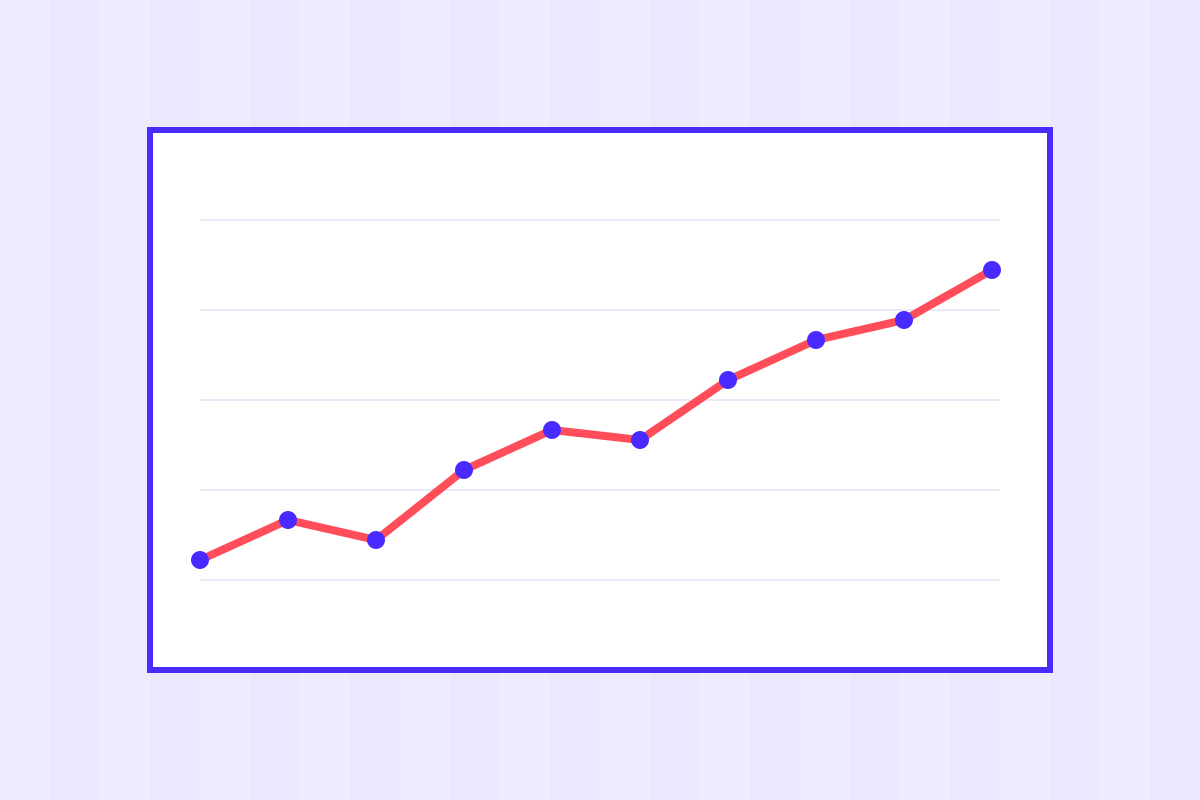
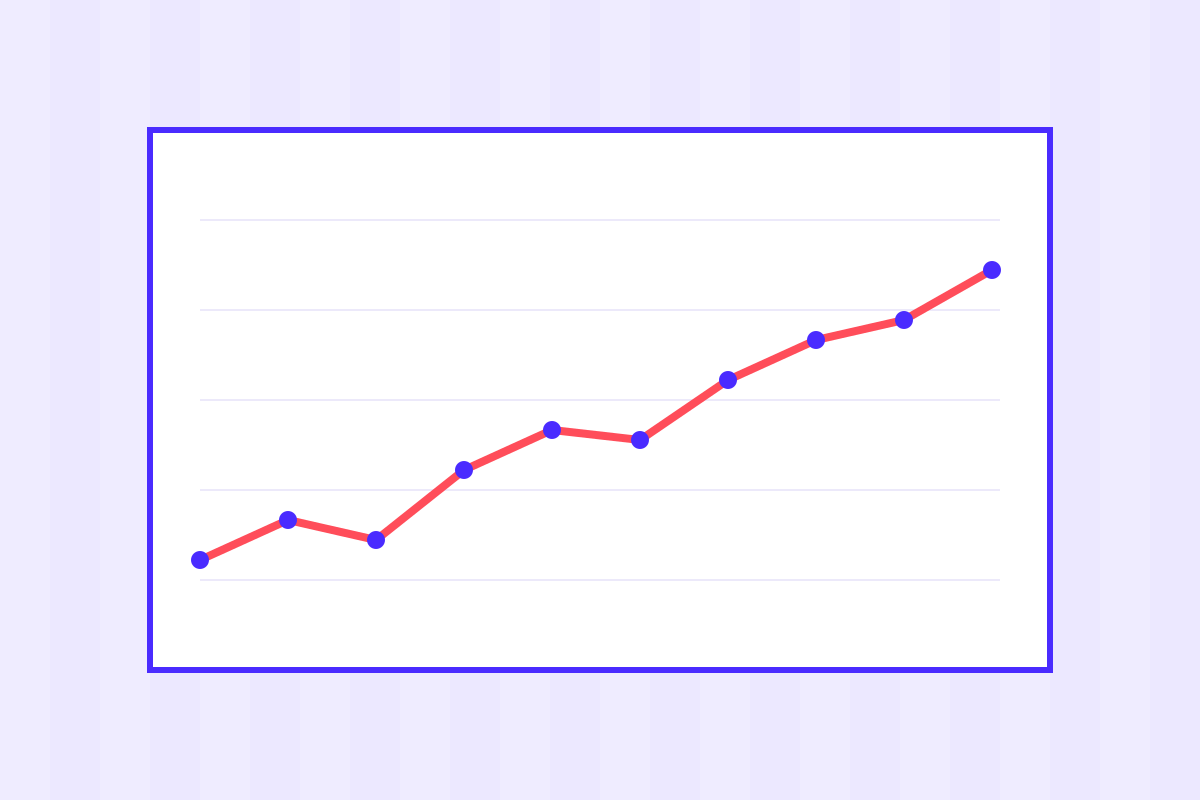
After each round, note your fairways, greens, putts and penalties. A simple record shows what to practice. Use the handicap calculator to monitor your trend, and read how to break 80 for a full plan.
Be patientHandicap indexes move slowly because they use your best recent scores. Consistent practice shows up over a few months.
Frequently asked questions
How fast can I lower my handicap?
It depends on how much you practice and where your biggest leaks are. Fixing penalty strokes and three-putts can help quickly.
Should I practice driving or putting?
For most players, short game and putting give a faster return than the driver.
Do I need lessons?
Lessons help when you have a repeated miss. Many players also improve with structured practice and course management.